

Introduction
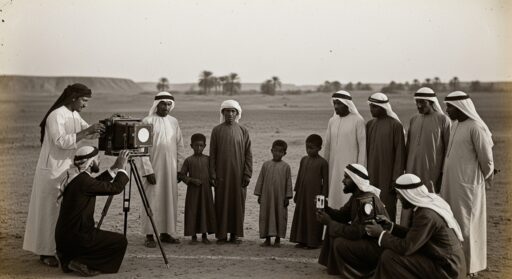
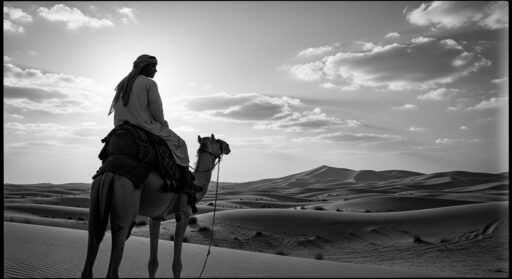
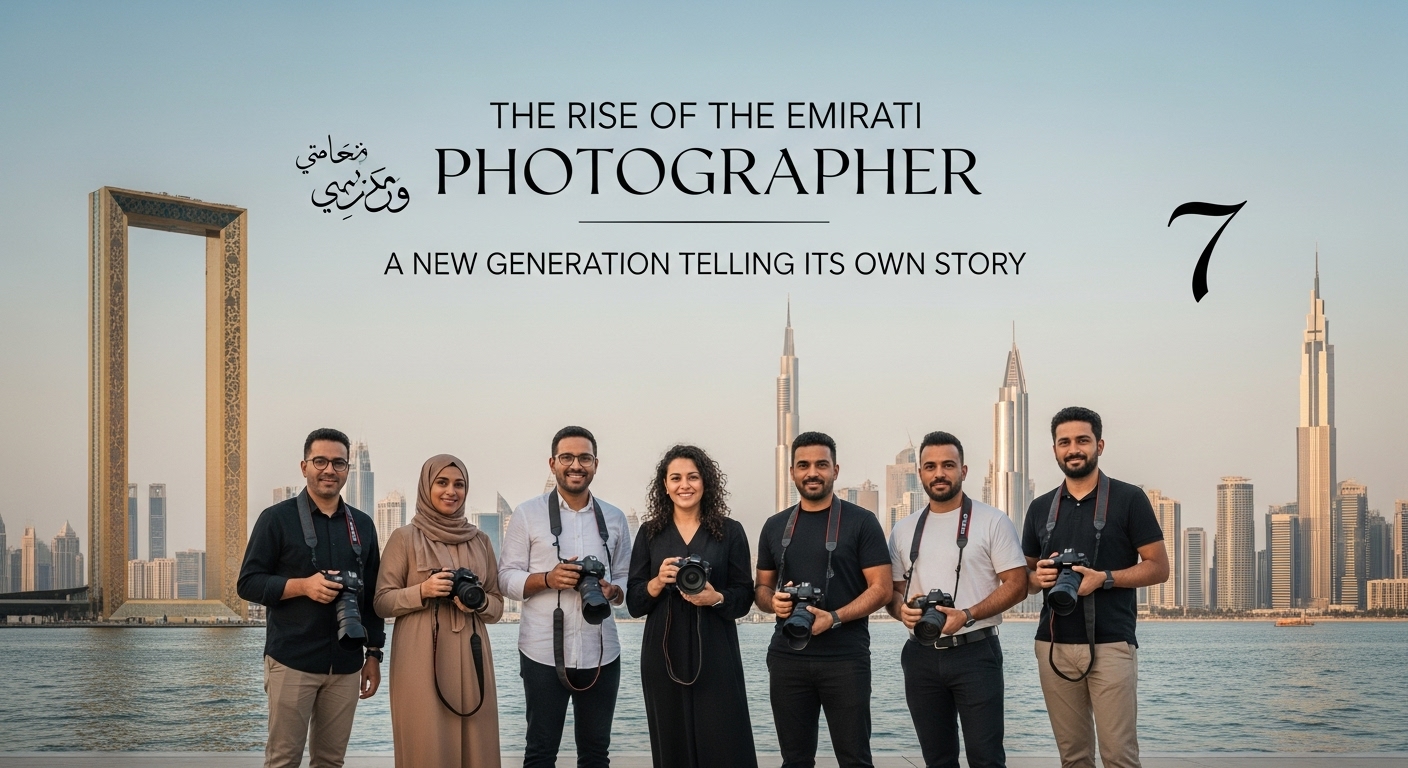
For decades, the visual narrative of the UAE was framed through the lenses of foreign explorers, colonial officers, and expatriate photojournalists. Today, a powerful and dynamic shift is underway: the rise of the Emirati photographer. A new generation of homegrown artists, armed with cameras and a deep, intimate connection to their culture, is now seizing the frame to tell their own story. They are moving beyond documentation to interpretation, exploring complex themes of identity, memory, and the paradoxes of rapid modernization, thereby crafting a more nuanced and authentic visual identity for the nation.
History
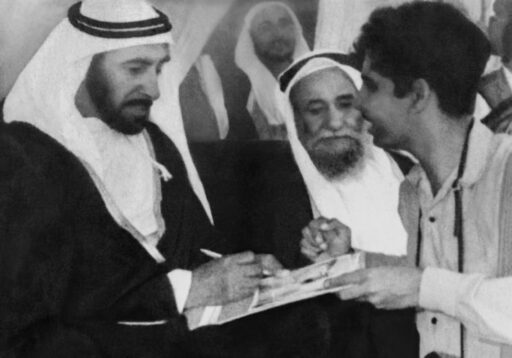
The emergence of a professional class of Emirati photographers is a recent phenomenon, facilitated by the expansion of higher education, the growth of a local art scene, and initiatives like the Abu Dhabi Tourism and Culture Authority and the Sharjah Art Foundation. Pioneers like Jalal Bin Thanney and the late Mohammed Al Ahmad began exhibiting their work in the 2000s, challenging the outsider’s perspective. They were followed by a wave of talented artists such as Ammar Al Attar, who documents vanishing social rituals, and Reem Al Ghaith, who explores the urban landscape. Their work has gained international acclaim, signaling the maturity of the local photographic scene.
Key Features
The work of contemporary Emirati photographers is diverse but often explores common themes:
- Re-examining Heritage: Instead of romanticizing the past, artists like Ammar Al Attar meticulously archive its material traces, photographing everything from old telephone directories to the interiors of abandoned mosques, creating a visual anthropology of everyday life.
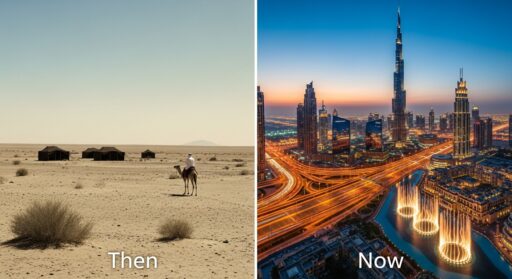
- Interrogating Modernity: Photographers like Reem Al Ghaith and Lamya Gargash explore the human experience within the hyper-modern urban environment. Their work often highlights the tension between traditional life and the impersonal scale of the contemporary city, focusing on empty spaces and the people who inhabit them.
- The Staged and Conceptual: Many move beyond pure documentary into conceptual photography, using staged scenes, self-portraiture, and digital manipulation to explore issues of gender, consumerism, and national identity in a globalized world.
- A Personal Gaze: Their perspective is inherently insider. They capture the nuances, humor, and private moments that an outsider might miss, offering a view of Emirati life that is layered, personal, and authentic.
Cultural Significance
This movement represents a crucial act of cultural self-determination. By controlling the camera, Emirati photographers are controlling their own narrative. They are challenging the exoticized, often stereotypical images of the past and presenting a complex, contemporary portrait of their society. Their work provides a mirror in which Emiratis can see themselves reflected with honesty and artistic depth. It fosters a critical dialogue about the direction of the nation and the preservation of its soul amidst relentless change, making photography a vital tool for cultural reflection and preservation.
Modern Relevance
The rise of the Emirati photographer is perfectly aligned with the UAE’s broader ambitions to be a hub for arts and culture. Their success on the international art stage enhances the nation’s soft power. Furthermore, their work is educating a new generation of Emiratis to see their world with a critical and artistic eye. Universities now offer degrees in fine arts and photography, ensuring a steady pipeline of talent. Through galleries, Instagram, and public art installations, these photographers are shaping the visual language of the nation, ensuring that the story of the UAE in the 21st century is told, first and foremost, by its own children.
Conclusion
The emergence of the Emirati photographer marks the closing of a historical circle. The gaze has been repatriated. The lens that was once turned upon the people of this land by outsiders is now firmly in the hands of a generation that knows this culture from the inside. Their photographs are not just images; they are questions, statements, and poems about what it means to be Emirati today. In their viewfinders, the nation’s past, present, and future collide, creating a rich, evolving, and profoundly authentic visual story that is finally being told by its own protagonists.