

Introduction
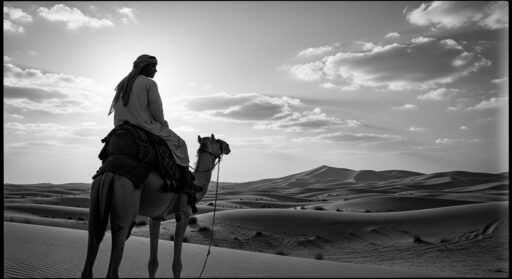
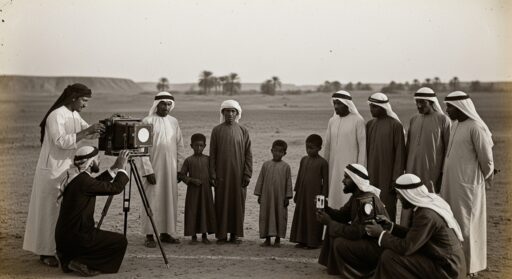
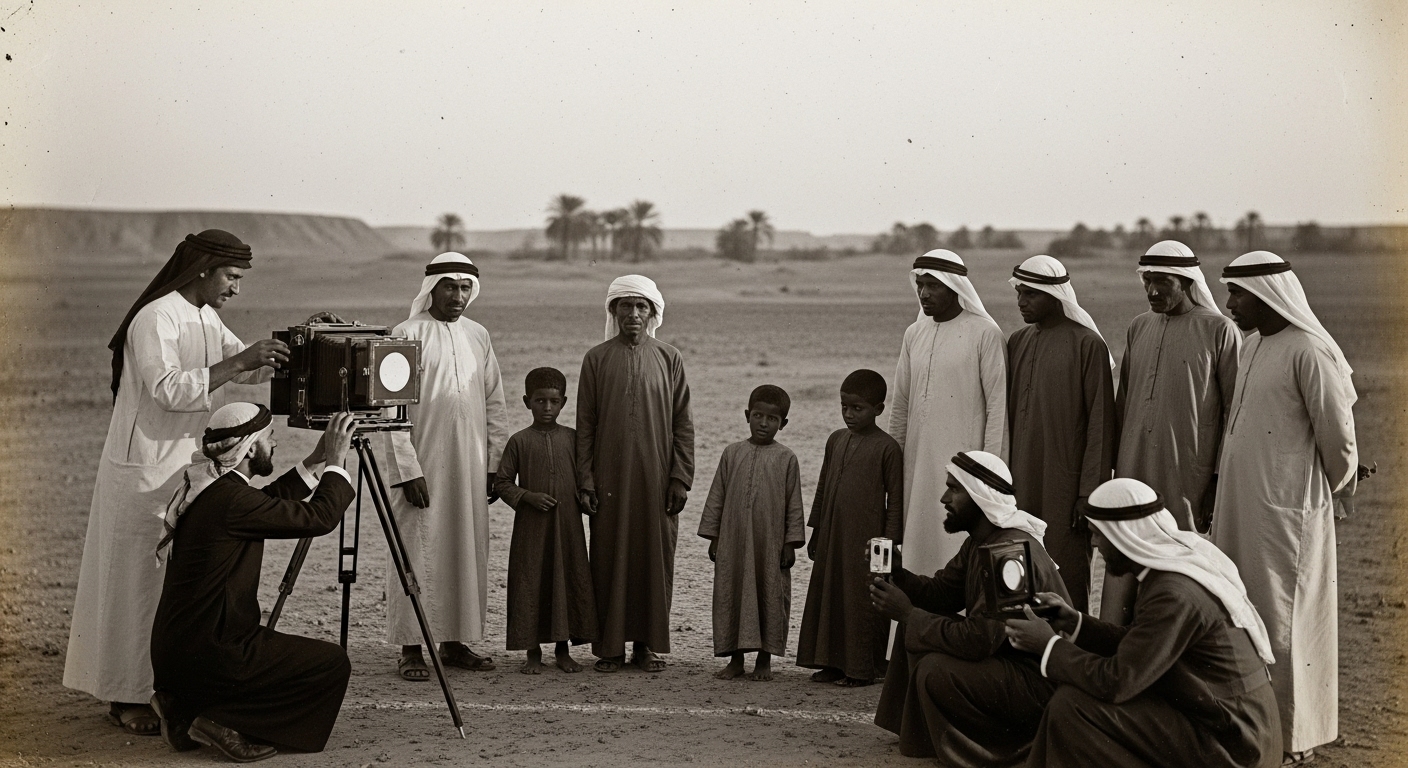
The first photographic images of the Trucial States are more than just historical records; they are frozen moments of a world on the cusp of irreversible change. Captured by intrepid European explorers, diplomats, and military personnel in the late 19th and early 20th centuries, these photographs provide a priceless, if often filtered, window into a pre-oil Arabia. These early photographers were not just documentarians but agents of a colonial gaze, their lenses framing the region for a Western audience. Their work, while sometimes staged and romanticized, remains the foundational visual archive of the UAE’s past, capturing its landscapes, people, and architecture before the modern era’s transformative wave.
History
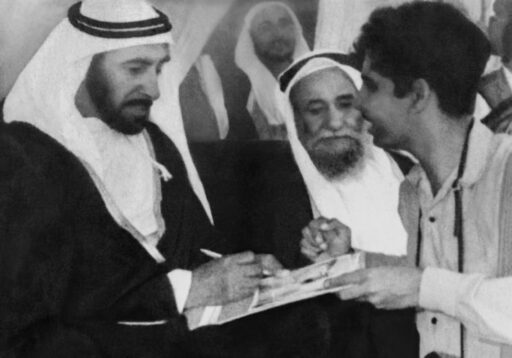
The earliest known photographs of the region date to the 1860s and are attributed to British officials associated with the Political Resident in the Gulf. The invention of dry plate photography in the 1880s made the process more portable, allowing for more extensive documentation. Key figures included British political agents and military officers stationed in the region, who often photographed forts, harbors, and ruling sheikhs as part of their administrative and intelligence duties. These images were circulated in official reports, travelogues, and private albums, shaping the outside world’s perception of the “Pirate Coast” as a remote, traditional, and exotic land.
Key Features
The first photographs are characterized by their subject matter and technical limitations:
- Portraits of Power: Many early photos are formal portraits of rulers and merchants, often posed with rifles or swords, intended to convey authority and status to a foreign audience. These images were crucial diplomatic tools.
- Architectural Documentation: The mud-brick forts (husn) and watchtowers that defined the landscape were frequently photographed, as were the first modern buildings, like the British Agency building in Sharjah.
- The Gaze on the “Other”: Photographs of the local population often reflected a colonial ethnographic interest. Images of pearl divers, Bedouin tribesmen, and market scenes were popular, but they often presented a romanticized or static view of “traditional” life, devoid of its dynamism and complexity.
- Technical Challenges: The harsh desert environment—with its blinding light, dust, and heat—posed significant challenges for the bulky equipment and fragile glass plates of the era, limiting the number and spontaneity of shots.
Cultural Significance
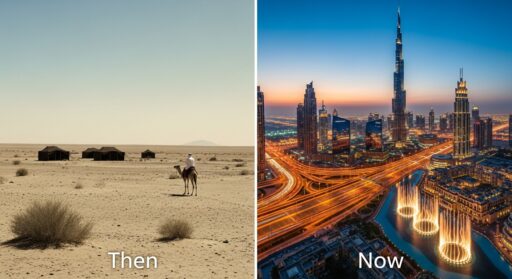
These early photographs hold a dual significance. For the Western world, they constructed an image of the Arabian Gulf as a timeless, ancient land, an perception that would persist for decades. For the modern UAE, they are an invaluable, and sometimes the only, visual record of a vanished world. They allow contemporary Emiratis to see the faces of their great-grandparents, the skyline of their ancestral cities devoid of skyscrapers, and the stark simplicity of life before air conditioning and automobiles. They serve as a powerful visual baseline against which the nation’s staggering transformation can be measured.
Modern Relevance
Today, these first photographs are carefully preserved in national archives, such as the UAE National Archives and the Al Jalila Cultural Centre, and are featured prominently in museums and history books. They are essential for historical research, urban conservation projects, and cultural education. Furthermore, they have sparked a critical conversation about representation and narrative. Modern Emirati artists and historians now re-examine these images, questioning the colonial perspective and seeking to uncover the untold stories of the Emirati subjects within the frame, reclaiming their history from an external lens.
Conclusion
The first photographs of the Trucial States are priceless historical artifacts, but they are not neutral. They are a product of their time, reflecting the power dynamics, technological constraints, and cultural biases of their creators. Yet, despite these filters, they offer an irreplaceable glimpse into the soul of the pre-union Emirates. They capture the quiet dignity of its people and the austere beauty of its landscape at a pivotal moment, forever preserving the “before” image in the UAE’s dramatic “before and after” story. They are the grainy, sepia-toned prologue to the nation’s visual history.