

Introduction
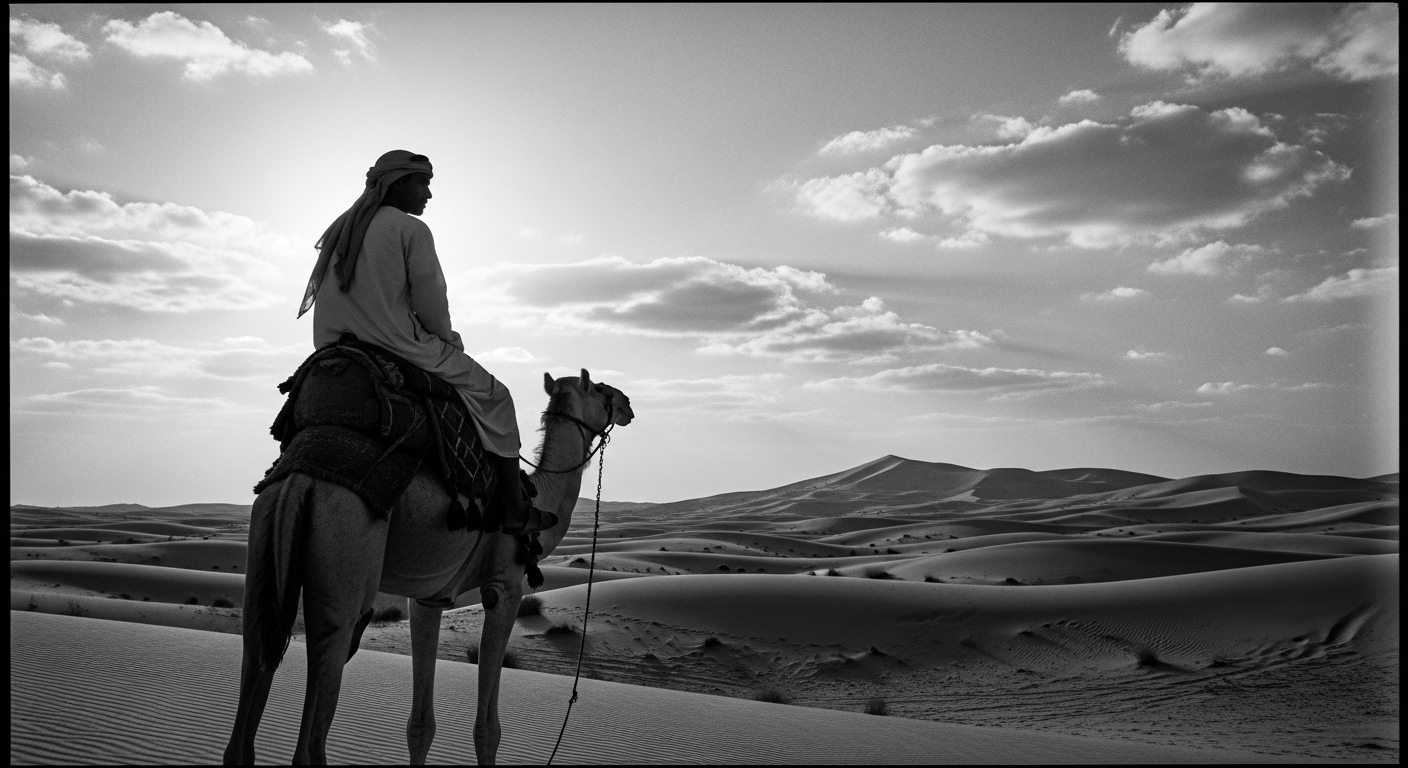
No single photographer is more intimately associated with the final chapter of traditional Bedouin life in the Empty Quarter than the British explorer Wilfred Thesiger. His stark, beautiful, and profoundly respectful black-and-white photographs, taken during his two epic crossings of the Rub’ al Khali in the 1940s, are more than travel snapshots; they are a eulogy in silver gelatin. Thesiger did not just document a landscape; he captured the essence of a people—the Bedu—and their symbiotic relationship with the world’s most demanding desert, just as that world was poised to vanish forever.
History
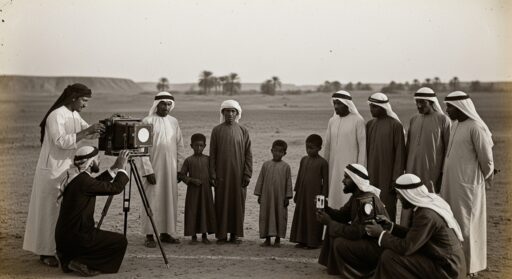
Wilfred Thesiger crossed the vast Empty Quarter twice, first in 1946-47 and again in 1947-48. He traveled not as a colonial official but as a guest and companion of the Bedu, adopting their lifestyle and sharing their hardships. His camera, a simple Kodak, was his tool for preserving what he knew was a doomed way of life. He was motivated by a deep-seated romanticism and a disdain for the modernity that was already beginning to encroach. His photographs were first published in his seminal book, Arabian Sands (1959), which, alongside his images, became a classic of travel literature and a foundational text for understanding Bedouin culture.
Key Features
Thesiger’s photography is distinguished by its intimacy and artistic composition:
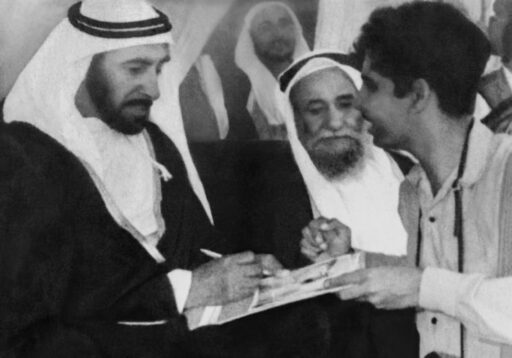
- Portraits of Dignity: His portraits of his Bedu companions, such as the iconic image of Bin Kabina and Bin Ghabaisha, are studies in human resilience. He captured their pride, humor, and the deep lines etched on their faces by sun and sand, always with a sense of equality and respect.
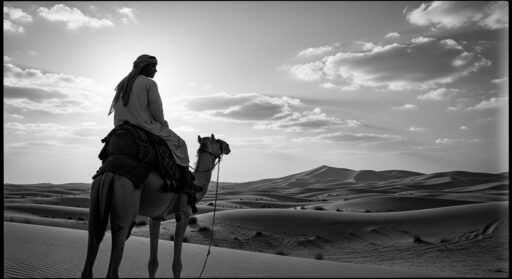
- The Desert as a Character: Thesiger’s landscapes are not empty. They are vast, dramatic, and alive, conveying the immense scale, silence, and terrifying beauty of the dunes. He mastered the play of light and shadow on the sand, creating images of abstract power.
- A Record of Daily Life: His photos document the minutiae of desert survival: mending sandals, watering camels at a rare well, brewing coffee, and praying. These are not staged scenes but candid moments of a shared journey.
- The Absence of the Modern: Conspicuously absent from his frame is any hint of the 20th century. There are no cars, no oil rigs, no manufactured goods. This was a deliberate artistic choice to preserve his idealized vision of a pure, nomadic existence.
Cultural Significance
For the outside world, Thesiger’s work defined the romance and hardship of the Arabian desert. For the UAE, his photographs are a sacred archive. They provide Emiratis with a visual connection to the Bedouin roots that are central to their national identity, a world that most have never experienced directly. Thesiger’s deep respect for his subjects and their culture lends his work an authenticity that sets it apart from earlier colonial photography. His images have become the definitive visual representation of the values of endurance, hospitality, and tribal loyalty that the UAE celebrates in its heritage.
Modern Relevance
Thesiger’s legacy is a complex one. He famously lamented the changes that oil wealth brought, seeing it as the destruction of a noble culture. Yet, his photographs are now treasured by the very modern state that emerged from that transformation. They are used in schools and museums to teach the younger generation about their history. Furthermore, Thesiger’s work inspires contemporary Emirati photographers to document their own culture with the same depth and respect. In an era of rapid development, his images serve as a permanent, poignant reminder of the desert spirit that underpins the modern nation’s identity.
Conclusion
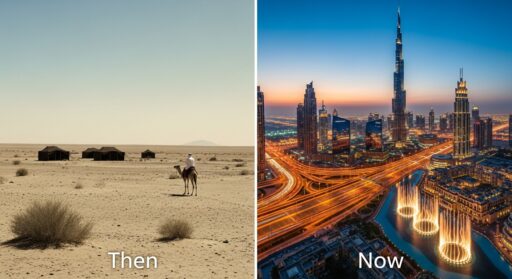
Wilfred Thesiger’s lens captured a fleeting moment at the very end of a millennia-old way of life. His photographs are a bridge across time, connecting the hyper-modern UAE of today with the austere, beautiful, and challenging world of its immediate past. They are not a comprehensive history, but a deeply personal and artistic vision. Through his empathy and his camera, Thesiger ensured that the spirit of the Bedu and the untouched majesty of the Empty Quarter would not be forgotten, but would forever remain a powerful and haunting presence in the cultural memory of the nation.